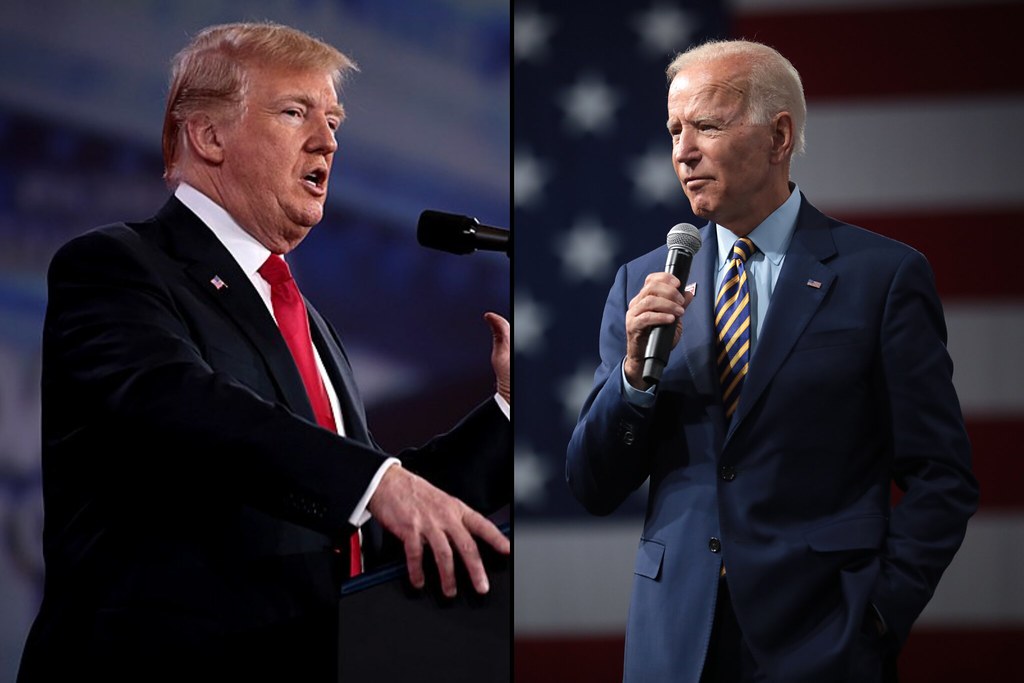
Anticipating the Unforeseen: A New Era in the 2024 U.S. Presidential Election
The U.S. presidential election landscape is witnessing significant shifts. Among these, the Biden campaign has observed a decline in support from Muslim voters and advocates for Palestinian rights, largely attributed to Biden’s perceived proximity to Israel amidst ongoing conflicts. This trend highlights how international affairs are increasingly influencing domestic political loyalties.
Contrastingly, Trump’s tenure was marked by policies and rhetoric that marginalized several minority communities. Ironically, this marginalization may act as a catalyst, mobilizing these groups to engage more robustly in the electoral process, potentially in opposition to his agenda. This situation illustrates the complex dynamics between political stances and the mobilization of minority voters.
Facing these dynamics, it is critical for both Biden and Trump to consider profound policy revisions. The apparent rift between Trump’s narratives and the perspectives of immigrant communities has resulted in a notable decline in support for Biden from these voters. This situation calls for a strategic reassessment by Biden, especially regarding the domestic implications of international conflicts.
Biden might contemplate a bold move like formally recognizing Palestinian statehood, potentially securing the backing of pro-Palestinian constituents and international peace advocates. Alternatively, Trump could moderate his immigration policy stance, aiming to recapture the support of those initially distanced by his administration’s actions.
Nevertheless, both candidates are navigating through personal and legal challenges — Biden’s health and Trump’s legal entanglements — that could impede their political trajectories. These issues, combined with fluctuating public opinion, suggest that the forthcoming election may introduce new candidates, moving beyond the familiar Biden-Trump paradigm. Such a shift could significantly alter the electoral strategy, adding an element of unpredictability to the next election cycle.
With November 2024 on the horizon, the political sphere may be primed for unexpected developments. The electorate’s desire for change, paired with the unpredictable nature of modern politics, sets the stage for a possible surprise in the race for the Oval Office. Whether the nation sees a continuation of traditional leadership or the election of a president or Madam President who breaks the mold, the forthcoming election is poised to be a pivotal moment in American political history, with the potential to initiate a wave of new strategies and ideological approaches.